
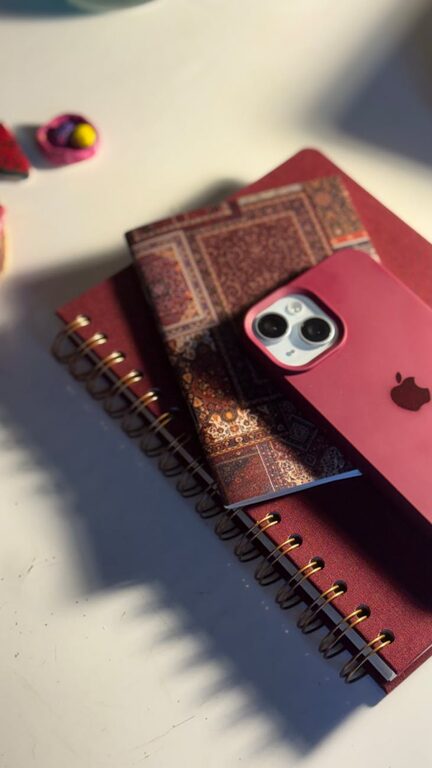
Choosing the right notebook can make a big difference in how often you use it and how effective it is for your needs. Whether you’re jotting down ideas, planning your day, or keeping a journal, a well-chosen notebook can motivate you and keep your thoughts organized. Here’s a helpful guide to finding a notebook you’ll actually want to use every day.
Why Choosing the Right Notebook Matters
It might seem like a small decision, but the notebook you pick can affect your writing habits. A notebook that feels uncomfortable or doesn’t suit your purpose might end up abandoned on a shelf. On the other hand, a notebook that fits your style, size preference, and writing needs encourages regular use.
Step 1: Identify Your Purpose
Before buying a notebook, think about how you plan to use it. Common uses include:
– Daily journaling or diary entries
– Work or school note-taking
– Creative writing or brainstorming
– Planning and to-do lists
– Sketching or doodling
Knowing your primary purpose helps narrow down features like size, paper type, and ruling.
Step 2: Choose the Right Size
Notebooks come in many sizes, and picking the right one depends on your lifestyle and writing style.
– Pocket-sized (A6 or smaller): Easy to carry everywhere for quick notes or sketches but limited writing space.
– Medium-sized (A5): A popular size that balances portability with enough space for notes and ideas.
– Large (A4 or letter): Good for detailed notes, diagrams, or planning but less portable.
If you’re always on the go, a smaller notebook might suit you better. For desk use, a larger size may be more comfortable.
Step 3: Decide on the Paper Type and Ruling
The feel of the paper and the ruling pattern can influence your writing experience.
Paper Weight and Texture
– Thinner paper (around 70-80 gsm): Lightweight but can cause ink to bleed or show through.
– Thicker paper (100 gsm or more): Better for ink-heavy writing, markers, and sketches.
Consider the pens or pencils you usually use to avoid ghosting or smudging.
Ruling Styles
– Lined: Great for writing and note-taking.
– Grid or graph: Helpful for diagrams, graphs, or structured notes.
– Dot grid: A flexible option popular with bullet journalers.
– Blank: Ideal for sketching or freeform notes.
Choose a ruling style that matches your writing or creative habits.
Step 4: Binding and Cover – Practicality and Aesthetics
The way a notebook is bound affects how it opens and how durable it is.
– Spiral binding: Allows the notebook to lie flat or fold back on itself, good for writing on the go.
– Sewn binding: Durable and usually lies flat, ideal for frequent use.
– Glue binding (perfect bound): More like a book, less flexible to open flat.
The cover material also matters. Hardcovers protect your pages and give a sturdy writing surface, while softcovers are lightweight and flexible.
Step 5: Additional Features to Consider
Depending on your preferences, some notebooks offer handy extras:
– Page numbers: Useful for referencing notes.
– Index or table of contents: Helps keep track of sections.
– Bookmarks or ribbons: Make finding your place simple.
– Pockets: Great for storing loose papers or stickers.
– Elastic closures: Keep the notebook securely closed during transport.
These small additions can improve usability and help keep your notes organized.
Step 6: Consider Your Budget and Sustainability
Notebooks come in a wide price range. While some premium notebooks offer high-quality paper and durable bindings, there are also affordable options that perform well.
If you care about the environment, look for notebooks made from recycled materials or those with eco-friendly certifications.
Tips for Maintaining Your Notebook
Once you’ve found your perfect notebook, here are ways to keep it in good condition and stay motivated to use it:
– Keep pens or pencils handy to encourage regular writing.
– Set aside a specific time each day or week for journaling or note-taking.
– Use colored pens or stickers to make writing more fun.
– Review your notes periodically to see your progress and stay engaged.
Final Thoughts
Choosing a notebook you’ll actually use is about balancing practicality and personal preference. By considering your purpose, size, paper, and binding type, you can find a notebook that fits seamlessly into your routine and inspires you to write more. Remember, the best notebook is the one that feels right for you and helps you capture your ideas effortlessly.
Happy writing!