
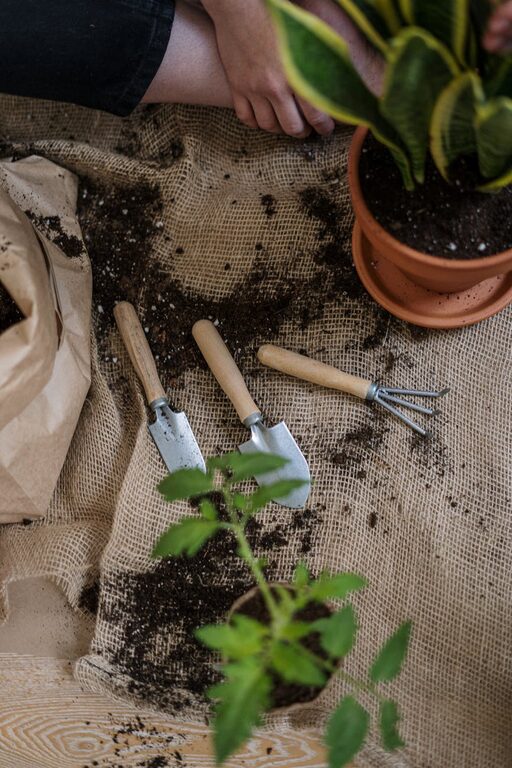
Growing your own herbs indoors is a rewarding and practical way to bring fresh flavors into your kitchen. Whether you have a sunny windowsill or limited space, an indoor herb garden can thrive with the right care. This guide will walk you through everything you need to know to start a small herb garden indoors, from selecting the best herbs to tips on watering and lighting.
Why Start an Indoor Herb Garden?
Indoor herb gardening offers several benefits:
– Freshness: Always have fresh herbs on hand for cooking or garnishing.
– Space-saving: Perfect for small apartments or homes without outdoor gardens.
– Year-round growth: Grow herbs regardless of season or weather.
– Air quality: Some herbs can help improve indoor air quality.
– Therapeutic hobby: Gardening indoors can reduce stress and be a rewarding activity.
Choosing the Right Herbs
Not all herbs grow equally well indoors. Some are easier for beginners and better suited to indoor environments.
Best Herbs for Indoor Gardens
– Basil: Loves warmth and sunlight, ideal for bright windows.
– Mint: Grows rapidly and tolerates partial shade.
– Parsley: Requires moderate light and consistent moisture.
– Chives: Compact and easy to grow with moderate sunlight.
– Thyme: Prefers bright light and well-drained soil.
– Oregano: Thrives with enough sunlight and well-draining potting mix.
Avoid Larger or Woody Herbs
Herbs such as rosemary or sage can grow larger and may not thrive in low indoor light unless you provide special care.
Selecting Containers and Soil
Containers
– Choose pots with drainage holes to prevent waterlogging.
– Consider container size — 4 to 6 inches in diameter is sufficient for most herbs.
– Materials like terracotta, ceramic, or plastic are all suitable; just be sure they have good drainage.
Soil
– Use a high-quality, well-draining potting mix designed for container plants.
– Avoid garden soil, which may be too heavy and might carry pests or diseases.
Planting Your Herb Garden
Starting From Seeds
– Fill your container loosely with potting mix.
– Moisten the soil before planting seeds.
– Plant seeds at the depth recommended on the packet—usually about twice the size of the seed.
– Place the container in a warm, sunny spot.
– Keep the soil moist but not soggy until seeds germinate.
Starting From Seedlings
– Choose healthy seedlings with no yellowing or wilting leaves.
– Remove the plant gently from its original container.
– Plant in your chosen pot with fresh potting mix.
– Water well after planting.
Lighting Requirements
Most herbs need at least 6 hours of direct sunlight daily. South or west-facing windows are usually best.
Artificial Lighting
If natural light is limited, use grow lights:
– LED or fluorescent grow lights work well.
– Position lights 6–12 inches above plants.
– Provide 12–16 hours of light per day to mimic natural sun.
Watering and Humidity
Watering Tips
– Water herbs when the top inch of soil feels dry.
– Ensure excess water drains out; do not let pots sit in standing water.
– Avoid overwatering, which can cause root rot.
Humidity
– Herbs prefer moderate humidity.
– If air is dry, occasionally mist plants or place a shallow tray of water nearby to increase moisture.
Fertilizing Your Herbs
– Use a balanced, water-soluble fertilizer diluted to half strength every 4–6 weeks.
– Avoid over-fertilizing to prevent overly lush growth, which can reduce flavor intensity.
Pruning and Harvesting
– Regularly pinch or trim herbs to encourage bushier growth.
– Harvest curled or mature leaves from the top to keep plants healthy.
– Avoid removing more than one-third of the plant at once.
Common Challenges and Solutions
| Challenge | Solution |
|————————–|—————————————|
| Leggy, stretched growth | Provide more light; prune back stems |
| Yellowing leaves | Adjust watering; check for pests |
| Wilting or drooping | Ensure proper watering; increase humidity |
| Pest infestations (aphids or spider mites) | Use insecticidal soap or wipe leaves with water |
Tips for Success
– Rotate pots weekly to ensure even sunlight exposure.
– Use saucers under pots to catch excess water.
– Keep an eye on herb growth cycle and replace plants as needed.
– Experiment with different herbs to find what thrives best in your environment.
Conclusion
Starting a small herb garden indoors is an enjoyable way to add greenery and freshness to your home. With a little planning and care, you can grow your favorite herbs year-round, enhance your cooking, and create a lovely, natural corner in your living space. Happy gardening!
—
If you’re interested in more gardening tips and DIY ideas, be sure to subscribe to our blog for the latest guides and inspiration.