
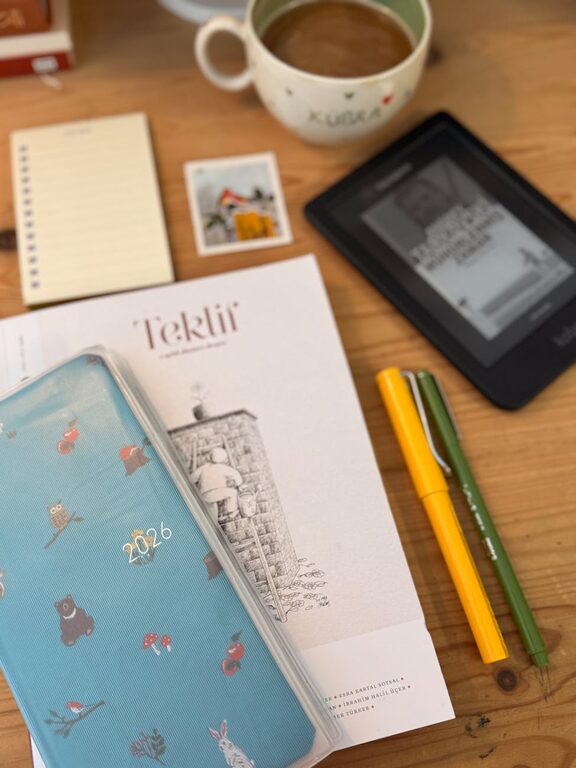
Choosing the right notebook might seem like a small decision, but it can make a big difference in how often you use it and how productive you feel. Whether you need a companion for jotting down ideas, planning your week, or simply doodling, the perfect notebook can keep you motivated. In this post, we’ll guide you through the key factors to consider so you pick a notebook you’ll actually use.
Understand Your Purpose
Before diving into options, think about how you plan to use the notebook. Different purposes require different features.
– Journaling: You might want lined or dotted pages to keep your writing neat and consistent.
– Sketching: Blank pages with thicker paper can handle various drawing tools.
– Planning and organization: Consider notebooks with pre-printed calendars or sections.
– Note-taking: A durable notebook with a sturdy cover and ample pages is helpful.
Knowing your primary use will focus your search and help you avoid impulse buys.
Choose the Right Size
Notebooks come in many sizes, from pocket-sized journals to large sketchbooks. The size you choose impacts portability and usability.
– Pocket size (A6 or smaller): Easy to carry everywhere, perfect for quick notes or ideas on the go.
– Medium size (A5): A popular choice that balances portability with enough space for writing.
– Large size (A4 or larger): Great for detailed notes, sketches, or if you use your notebook primarily at a desk.
Think about when and where you’ll use your notebook most to decide.
Consider Paper Type and Quality
Paper matters more than you might expect. The right texture and thickness can make writing or sketching enjoyable and avoid frustration.
– Weight: Paper weight is measured in grams per square meter (gsm). Heavier paper (80-120 gsm) is thicker and less prone to bleed-through.
– Texture: Smooth paper suits pens and pencils, while textured paper works better for charcoal or watercolors.
– Color: White paper offers clear contrast, but cream or off-white paper can be gentler on the eyes.
If you use markers or fountain pens, look for notebooks designed to handle these inks to prevent smudging.
Pick a Binding Style
How your notebook opens and lays flat matters, especially if you like writing across the entire page. Common binding options include:
– Spiral-bound: Opens completely flat and folds back on itself, which is handy for small spaces.
– Perfect-bound (glued spine): Looks sleek but might not lay flat easily.
– Thread-bound or stitched: Durable and usually lies flat; a classic choice for long-term use.
– Disc-bound: Allows you to add or remove pages, offering customization.
Choose what feels most comfortable for your writing and carrying habits.
Decide on a Cover Material and Design
Your notebook cover protects your pages and adds to your enjoyment of using it.
– Material: Options include softcover, hardcover, leather, fabric, or plastic. Hardcover notebooks offer more protection but can be heavier.
– Design: Pick something that motivates you, whether it’s minimalist, colorful, or artistic. A notebook you love looking at is more likely to see regular use.
– Durability: If you carry your notebook everywhere, consider waterproof or resistant materials.
Look for Extra Features
Some notebooks come packed with bonus features that might enhance your experience.
– Page numbers: Helpful for indexing your notes.
– Index or content page: To organize your entries.
– Pocket folder: For holding loose papers and notes.
– Bookmarks or elastic bands: Keep your place and secure the notebook closed.
– Perforated pages: Easy tear-out for sharing notes.
Consider which extras align with your routine.
Reflect on Your Budget
Notebooks range from very affordable to quite premium. Think about how much you want to spend and what features you are willing to pay for.
Sometimes investing in a quality notebook pays off with greater satisfaction and longer use. However, there are many budget-friendly options that perform well.
Test Before You Commit
If possible, visit a store and physically handle different notebooks. Feel the paper, try writing on samples, and envision how the size fits your lifestyle. Online reviews and unboxing videos can also help.
Establish a Routine to Use Your Notebook
Once you have the notebook, make it part of your daily routine. Set a specific time for journaling, planning, or note-taking to build the habit. Keep the notebook visible and easily accessible.
—
Summary Checklist: How to Choose Your Ideal Notebook
– Define your main purpose for the notebook
– Select the size based on portability and writing space
– Choose paper type and quality suitable for your tools
– Decide on binding style for comfort and durability
– Pick a cover material and design that inspires you
– Consider extra features that might help organization
– Set a budget and find the best option within it
– Test options in person or through reliable reviews
– Commit to using your notebook regularly
—
A notebook companion that fits your style and needs transforms the way you write, plan, and create. With thoughtful selection, you’ll have a tool you reach for every day — and finally make the most of your ideas and plans. Happy notebook hunting!