
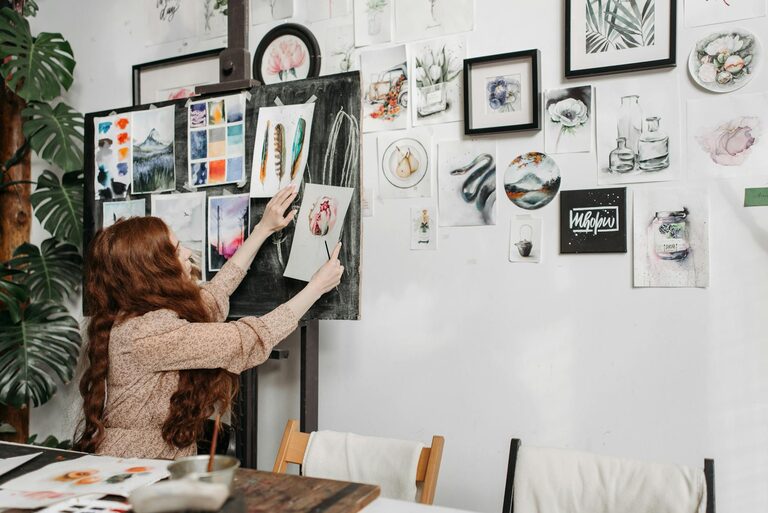
Children’s artwork is a wonderful way to capture their creativity and growth, but it can quickly turn into a clutter challenge. From colorful drawings and paintings to 3D crafts, these precious creations often pile up around the house. Finding efficient ways to keep kids’ art organized not only helps maintain a neat home but also honors your child’s effort and imagination.
In this post, we’ll explore practical tips and fun ideas to manage and display your child’s art, so you can enjoy their creativity without feeling overwhelmed by mess.
Why Organizing Kids’ Art Matters
Kids often create a large volume of artwork, especially in their early school years. While each piece is special, storing every item without a system can lead to clutter, disorganization, and even lost masterpieces. Organizing art helps:
– Preserve memories and milestones
– Reduce clutter and stress
– Make artwork easy to access and share
– Encourage children’s pride and motivation in their creativity
With these benefits in mind, here are some strategies to organize kids’ art effectively.
Establish a Dedicated Art Storage Area
Creating a specific place in your home for storing your child’s art works wonders. This could be a shelf, drawer, or container where all artwork is collected regularly.
Ideas for Art Storage Containers
– Portfolio folders: Large, flat folders designed to hold paper artwork neatly
– Plastic bins with lids: Stackable and protect art from dust or damage
– Expandable file folders: Sectioned organizers good for sorting by date or type
– Art boxes: Decorative boxes that also serve as keepsake containers
Make sure the storage area is easy for your child to use. Involve them in choosing and labeling containers to encourage responsibility.
Rotate Displays to Showcase Fresh Art
Displaying your child’s artwork proudly can brighten your home and boost your child’s confidence. However, wall space and fridge doors can fill up fast. Implementing a rotating display system keeps things fresh.
Display Ideas
– Framed corkboards or magnetic boards: Pin or magnet art for easy swapping
– String and clips: Hang twine or wire and use clothespins to hang art along walls
– Digital photo frames: Photograph the art and display it digitally to save space
– Dedicated art wall or gallery: Designate one wall for ongoing exhibits
Set a schedule to rotate art every few weeks. This creates anticipation and allows new pieces to shine without clutter.
Take Photos and Create Digital Archives
Not all artwork needs to be kept physically, especially large or fragile pieces. Photographing your child’s art saves space and allows you to preserve every creation.
Tips for Creating a Digital Archive
– Use natural light and lay the art flat for clear photos
– Date and label photos by child and category
– Organize photos in folders or apps like Google Photos, Dropbox, or specialized apps for kids’ artwork
– Create photo books or slideshows as gifts or keepsakes
Digital archives offer the benefit of preserving memories without physical storage challenges.
Help Kids Choose Their Favorites
Teaching children to select their most meaningful artwork can be empowering and helps manage volume. Encourage your child to pick “top favorites” regularly.
How to Help Kids Choose
– Set limits, such as keeping only 10 pieces per month or per school term
– Discuss why certain pieces feel special or meaningful
– Create a “keep,” “gift,” and “recycle” system for sorting art
– Use this as an opportunity to teach decision-making and appreciation
Be gentle and positive, making it a fun collaboration rather than a chore.
Use Art in Practical Ways
Turn art into useful or decorative items. This honors your child’s creativity and puts their work to good use.
Ideas for Repurposing Art
– Greeting cards: Cut and fold artwork to create handmade cards
– Wrapping paper: Use larger drawings to wrap gifts
– Calendars and planners: Incorporate art into yearly calendars or planners
– Craft projects: Use cutouts in collages, scrapbooks, or scrapbook pages
These projects add value to art and extend its life.
Maintain Consistency with Regular Art Organization Sessions
Set a recurring time, such as once a month or after school terms, to organize and sort artwork. Consistency prevents backlog and keeps your system up to date.
Routine Art Organization Tips
– Schedule 15–30 minutes for sorting and storing artwork
– Involve your child to keep the process engaging
– Review digital archives and back up files regularly
– Refresh display areas and storage containers as needed
Regular attention to your child’s art storage will keep your home organized and stress-free.
Final Thoughts
Organizing kids’ artwork doesn’t have to be overwhelming or dull. With simple systems, creative displays, and digital tools, you can celebrate your child’s creativity and keep your home tidy. Remember to involve your child in the process and make it a fun activity that honors their efforts.
By dedicating a bit of time and a clear plan, you can enjoy a clutter-free space filled with cherished memories and colorful inspiration. Happy organizing!